


There are many good reasons to join a company, like your salary, benefits, and even company swag. Early in your career, I believe one of the most important reasons is the people you’ll learn from. Working alongside smart, low-ego engineers who’ve built at scale shapes how you think about engineering for the rest of your career.
For most of Quo’s history, we deliberately didn’t hire junior engineers. Now, we’re hiring for junior engineers for two teams:
- Gateway: The team behind accounts, checkout, and billing.
- Connect: The team that builds our Integrations, Public API, MCP, and webhooks.
Here’s why we waited, what changed, and what you can expect if you join us.
How we got here
Quo is a fully remote company with engineering teams all over the world. We aim to move fast and we care a lot about setting people up to succeed. New joiners consistently tell us our documentation and career framework is the best they’ve come across. Since we hold ourselves to a high standard, we weren’t confident we could give early-career engineers the support they deserve while moving at startup speed.
Over the last year and a half, Quo Engineering has more than doubled to around 100 engineers. As we’ve grown our team, we’ve prioritized hiring experienced engineers. We’ve also built our processes around them, from how we scope work to how we review code. This fall, we also launched operating principles that describe specific behaviors to bring our core values to life. With that foundation in place, we’re confident we can support engineers earlier in their careers too.
And just because we’ve hired experienced engineers doesn’t mean people haven’t already been growing here. So many engineers have advanced in their careers while at Quo.
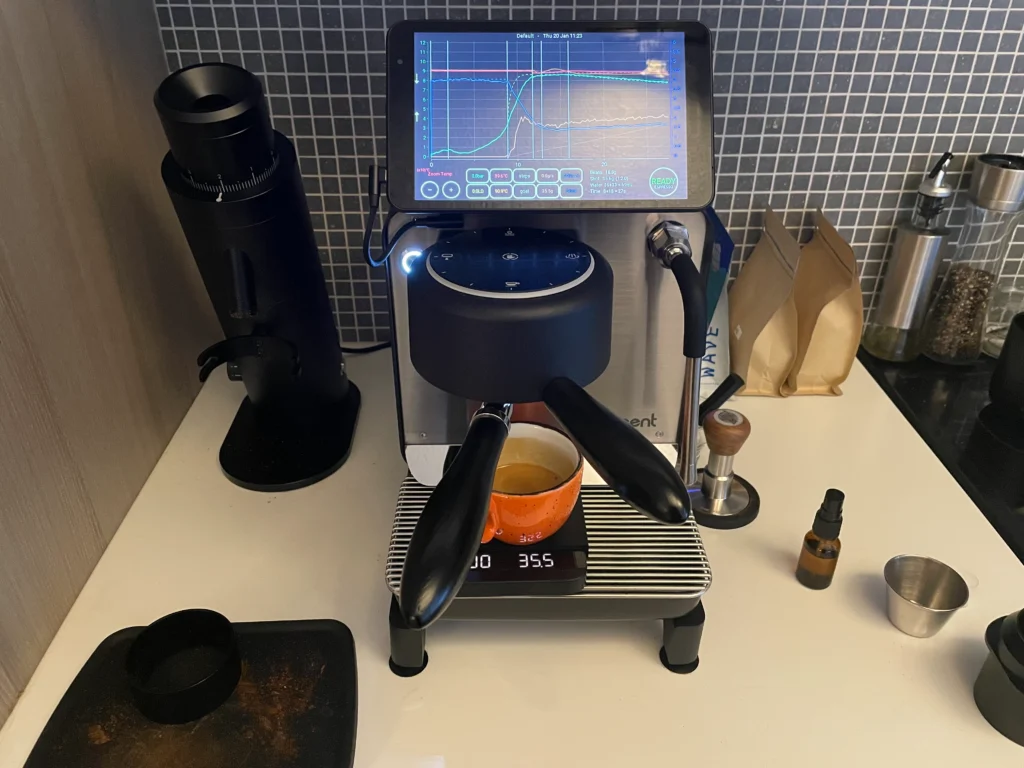
Justin Vu is a great example of career growth at Quo. He joined our Connect team as a mid-level engineer and, within months, became a go-to expert on our different Connect services. He also brought Temporal, our workflow engine, to the Connect team. He was a steady presence through the Connect team’s growth by guiding new teammates and documenting his own technical decisions and walkthroughs for their tribal knowledge. Since then, he’s been promoted to senior engineer, owned our webhooks platform end to end, and is now focused on Connect’s integrations work. He’ll mentor our Connect hire, which is why I’m sharing a little bit more about his career journey at Quo. Definitely ask him about his epic coffee setup!
Why we’re hiring for these roles right now
With AI coding tools transforming how engineering teams work, you might wonder why we’d start hiring junior engineers right now. It’s easier than ever to ship code, but we don’t believe in generating code for the sake of it. What matters is solving the right problem for our customers in a way that holds up at scale, which means understanding what you’re building and why. AI can write code that looks right, but knowing whether it actually solves the problem, and whether it’ll keep working across 100,000+ businesses, takes judgment. That judgment comes from getting reps alongside people who’ve done it before.
We have those people, and working next to them ensures the gains you get from AI add up much faster than they would on your own. For our senior engineers, it’s also a chance to give back the kind of mentorship that helped them grow. AI is changing what a junior engineer can take on in their first year, and we want to invest in an environment that makes the most of that.
We won’t pretend things will slow down. AI is changing how we build almost week to week, and priorities shift at a growing startup. When things move that fast, it helps to have someone beside you who’s seen it before. Our team has been through these shifts, and they’ll help you make sense of them as they happen.
💡 For the longer version of this argument, see Kent Beck’s The Bet On Juniors Just Got Better, and Charity Majors’ Generative AI is not going to build your engineering team for you.
What each team works on
If you’re wondering what the Gateway and Connect teams works on, here’s a quick overview:
On Gateway, you’ll work on billing and account management for Quo customers. The team has been investing heavily in billing reliability and we’re seeing strong results: billing-related support tickets fell by more than 25% over the past three months. As our product evolves, our billing framework needs to extend just as quickly and easily.
On Connect, you’ll build integrations with tools like HubSpot and Salesforce, plus our public API and MCP server. Our MCP is showing incredible growth: weekly MCP users nearly doubled in September alone. The team also just brought the latest version of our API to full parity, so customers and agents are all accessing the same endpoints.
On both teams, you’ll ship real features in TypeScript across our React frontend and Node backend. Check out the job description for the role to see more information about our stack.
We’re passionate about improving the lives of small businesses, and more than 100,000 of them run on Quo, including: home services, law firms, and real estate teams, and more. We bring their calls, texts, and customer info into one place, with AI that helps them keep up. On Gateway, that means a plumber can sign up, get billed correctly, and manage their account without contacting support. On Connect, it means Quo works with the rest of their tools, from their CRM to the AI agents they’re starting to rely on.
What support looks like
Junior engineers in startups can sometimes feel marooned on an island. You’re often left to figure out how to get up to speed and don’t have the resources you need to be successful. Our approach is to support new teammates as much as we can so that they feel empowered to do their best work. You’ll get a dedicated mentor on your squad, an experienced manager, and a whole team that wants to see you succeed.
Here’s what that looks like in practice:
- Your mentor will set aside protected time for you, including a regular weekly block for pairing.
- You’ll pair on your first task end to end, ship your first pull request in your first week or two, and have a few changes merged across the frontend and backend by the end of your first month.
- You’ll get written feedback at 30, 60, and 90 days against the same competencies the rest of engineering grows against, so you always know where you stand and what to work on next.
You’ll also ship to production early, with safety nets in place. We practice hourly deploys, so every merged pull request deploys within the hour. On the backend, senior engineers own deploys, so you won’t be responsible for releasing on your own. On the frontend, everything ships behind a feature flag and is covered by extensive end-to-end tests. And if something you ship breaks, you won’t be fixing it alone. Your mentor and team will help you fix it and figure out what would have caught it, so our systems get better too.
Plus, even though we’re fully remote, you won’t be working in isolation. We’ve been remote from the start, so we’ve built good habits and work well both async and in real time, with a mix of tools and meetings depending on what the work needs. As a bonus, we also get together in person, which is a lot of fun. We have drop-in offices in San Francisco, Toronto, and Chicago, as well as hubs in cities like Vancouver, Montreal, and Ottawa, where teammates can co-work every month, with Quo covering the cost. And the whole company meets up at our annual retreat. Check out the highlights from this year’s offsite.
We back all that with competitive pay, equity, a learning budget, and a clear path to grow.
Meet your colleagues
Now that you know what you’ll be building, here are the people you’ll be working with:
On Gateway, you’ll be working right alongside Jesse Davda, Senior Software Engineer. Jesse joined Quo earlier this year and set a record for how quickly someone can onboard. He brought deep experience with billing systems and contributed right away, helping ship scheduled downgrades, which gave customers simpler, more predictable bills when they change plans. He’s also proactive: last cycle, he scouted ahead on authentication and authorization and demoed an approach to our upcoming permissions work before it was on anyone’s plate. When he digs into a problem, he pulls together the full picture so the rest of the team can make good calls.
On Connect, your mentor will be Justin, our resident espresso expert. Jesse and Justin are your official mentors, but they won’t be the only people in your corner. Everyone on your squad and across engineering is there to help, and you’ll learn from all of them.

Some of the members of the team you’ll work with include:
- Ilya Raykin: Ilya is a staff engineer on the Gateway team. Ilya invests in the people around him, from thoughtful code reviews to advising teammates as they take on bigger projects. He also built a tool called Plotline that turns a pull request or a whole system into a diagram with a step-by-step walkthrough. It’s part of the shared tooling Quo engineers use.
- Steve Pember: Steve is a principal engineer who works across our squads. He’s driven how we write RFCs and ADRs and worked with engineers across teams to set our GraphQL patterns. He’s also focused on our integrations platform for the Connect team. Steve also facilitates team growth by helping engineers stretch into new parts of the stack or leading our backend sync sessions where we trade ideas across the team.
Our key operating principles
As a fast-growing engineering team, we have several operating principles that guide how we make decisions quickly. Here are three of those principles that are worth highlighting for junior engineers curious about the way we work:
- Ideas above hierarchy. Good ideas can come from anyone. A Connect engineer noticed teams were testing our public API in different ways, so he added HTTP files to the codebase. Now everyone calls endpoints the same way and it’s standardized our testing process. We’re now exploring using this approach for post-release regression testing.
- Why before what. We share context generously and ask for it when we need it. When you’re handed a project, a task, or a roadmap that feels random, ask why: how does it connect to our goals, and why now instead of a month ago? Those questions help us do better work. When AI agents started using our API far more than we expected, the Connect team shifted its roadmap to lean into it. Seeing the data and reasoning behind that shift is what let the team get behind this new direction.
- Curiosity over ego. Gateway owns some of Quo’s most critical services, with a lot of moving pieces. The team often pulled in different directions at once. One engineer on the team says what makes that work is how little ego there is: people rely on each other, and ideas get backed on their merits, not on the level of whoever proposed them.
Apply to the Quo team today
We’re starting with two Junior Engineers on purpose, so you’ll have a fellow new hire onboarding with you, and each of you gets real attention. And we plan to grow the program from here.
Here’s the job description for the Junior Fullstack Engineer role.
If building systems excites you, we’d love to hear from you. If you’re not sure you check every box, apply anyway. We care more about curiosity and how you approach problems than a perfect resume. We can’t wait to meet you.


